Ads
Inside Europe Last Primeval Forest: A Journey Into Ancient Wilderness
khoảng 12 giờ trước
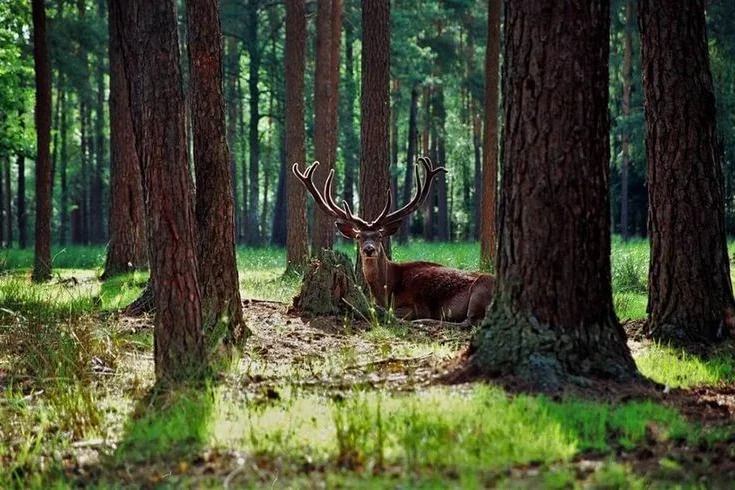
00Deep within the borderlands of Eastern Europe lies a living relic of the ancient world: the continent's last remaining primeval forest. This untouched wilderness offers a rare glimpse into what Europe looked like thousands of years ago, before the rise of modern civilization and widespread industrialization. Exploring this dense, majestic woodland is like stepping back in time, where nature rules undisputed and ancient ecological processes continue uninterrupted.
Characterized by towering oak, spruce, and hornbeam trees that have stood for centuries, this unique ecosystem is home to an incredibly rich array of biodiversity. Among its most famous residents is the European bison, the continent's heaviest land mammal, which was saved from the brink of extinction and now roams freely through the protected glades. The forest floor is a complex web of decaying wood, rare fungi, and vibrant mosses, providing a vital habitat for countless species of insects, birds, and small mammals that cannot survive in managed forests.
Conservationists and scientists from around the world travel to this ancient forest to study its natural dynamics. Unlike commercial forests, here, fallen trees are left to decompose naturally, enriching the soil and supporting new life cycles. This natural cycle of life and decay is crucial for maintaining the forest's resilience against climate change and pests, offering valuable lessons for modern forestry and conservation practices.
As human activity continues to encroach on natural habitats worldwide, preserving this last primeval forest is more critical than ever. It stands as a powerful reminder of the beauty and complexity of undisturbed nature. For eco-travelers and nature lovers, it offers a profound, humbling experience, urging us to protect these irreplaceable natural treasures before they are lost forever.
#PrimevalForest, #EuropeWilderness, #AncientWoods, #NatureConservation, #EcoTravel, #ForestPreservation
Ads
0 comments
Related Posts
Ads