Ads
The Evolution of Censorship: Addressing Controversial Content in Modern Chinese Cinema
khoảng 3 giờ trước
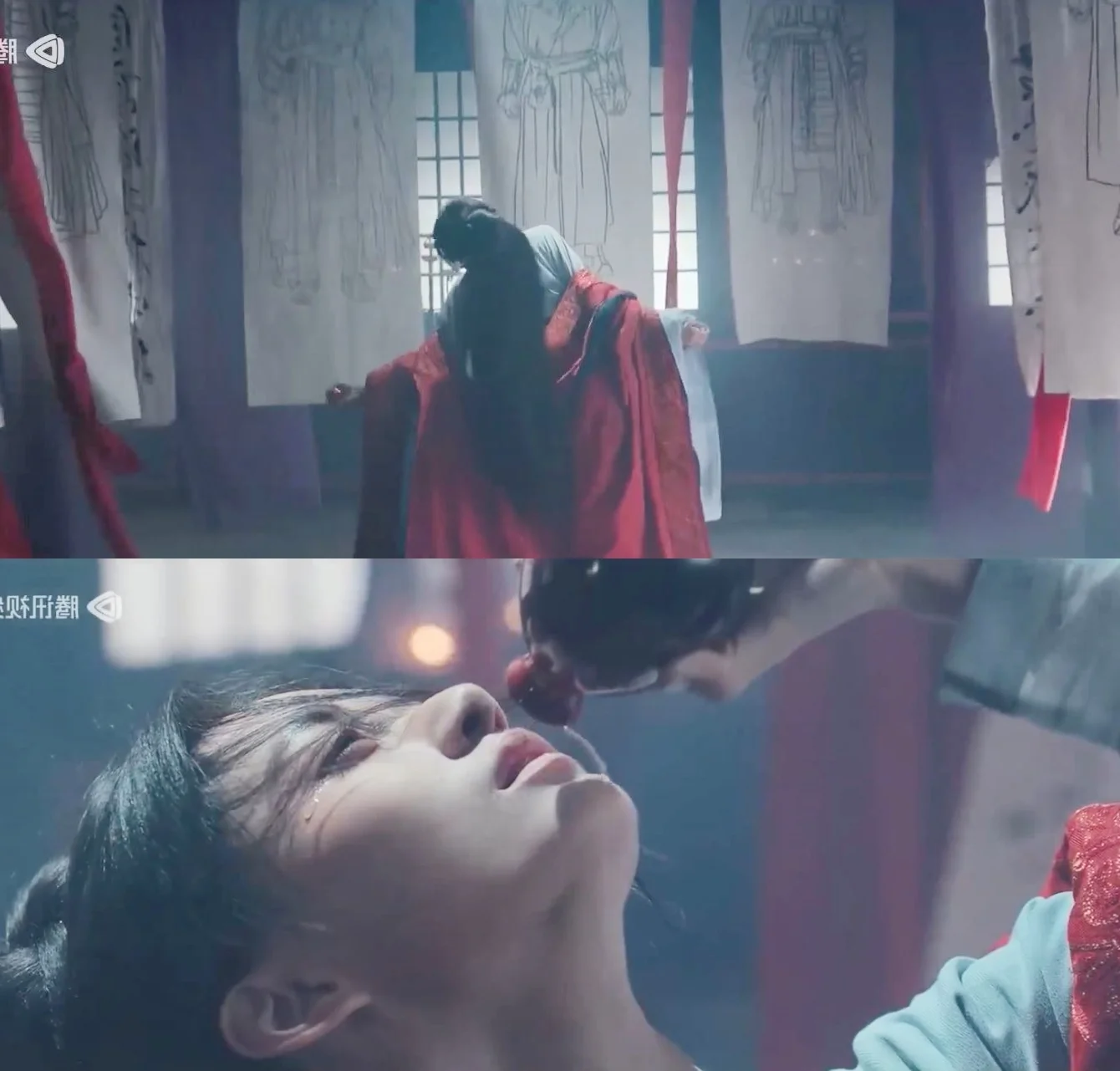
00The Chinese entertainment industry has recently found itself at the center of a heated debate regarding 'deviant' or controversial scenes in film and television. As the market grows and creators push the boundaries of storytelling, the clash between artistic expression and strict regulatory standards has become more apparent. Audiences and critics alike are questioning the necessity of certain graphic or 'out-of-place' scenes, leading to a wider discussion about the direction of Chinese media and the cultural values it reflects on the global stage.
In recent years, the National Radio and Television Administration (NRTA) has implemented more rigorous guidelines to ensure that content aligns with 'core socialist values' and traditional aesthetics. This has led to the editing or outright banning of scenes deemed overly provocative or socially 'unhealthy.' However, the definition of what is 'acceptable' remains a moving target, often sparking controversy among fans who feel that such restrictions stifle creativity. The debate isn't just about censorship; it's about the balance between commercial appeal and social responsibility. Producers are now more cautious than ever, often self-censoring to avoid costly delays or cancellations.
Despite these challenges, Chinese cinema continues to produce high-quality works that resonate with international audiences. The industry is navigating a complex transition, trying to find a unique voice that satisfies both domestic regulators and a global audience accustomed to more liberal content standards. This ongoing tension highlights the unique position of the Chinese media landscape. As we look forward, the focus is likely to shift toward more nuanced storytelling that relies on emotional depth rather than shock value. For observers of global media, the evolution of Chinese content standards provides a fascinating look into how culture, politics, and art intersect in one of the world's largest entertainment markets.
#ChineseCinema, #MediaCensorship, #EntertainmentNews, #FilmIndustry, #CulturalTrends, #AsianMovies
Ads
0 comments
Related Posts
Ads